

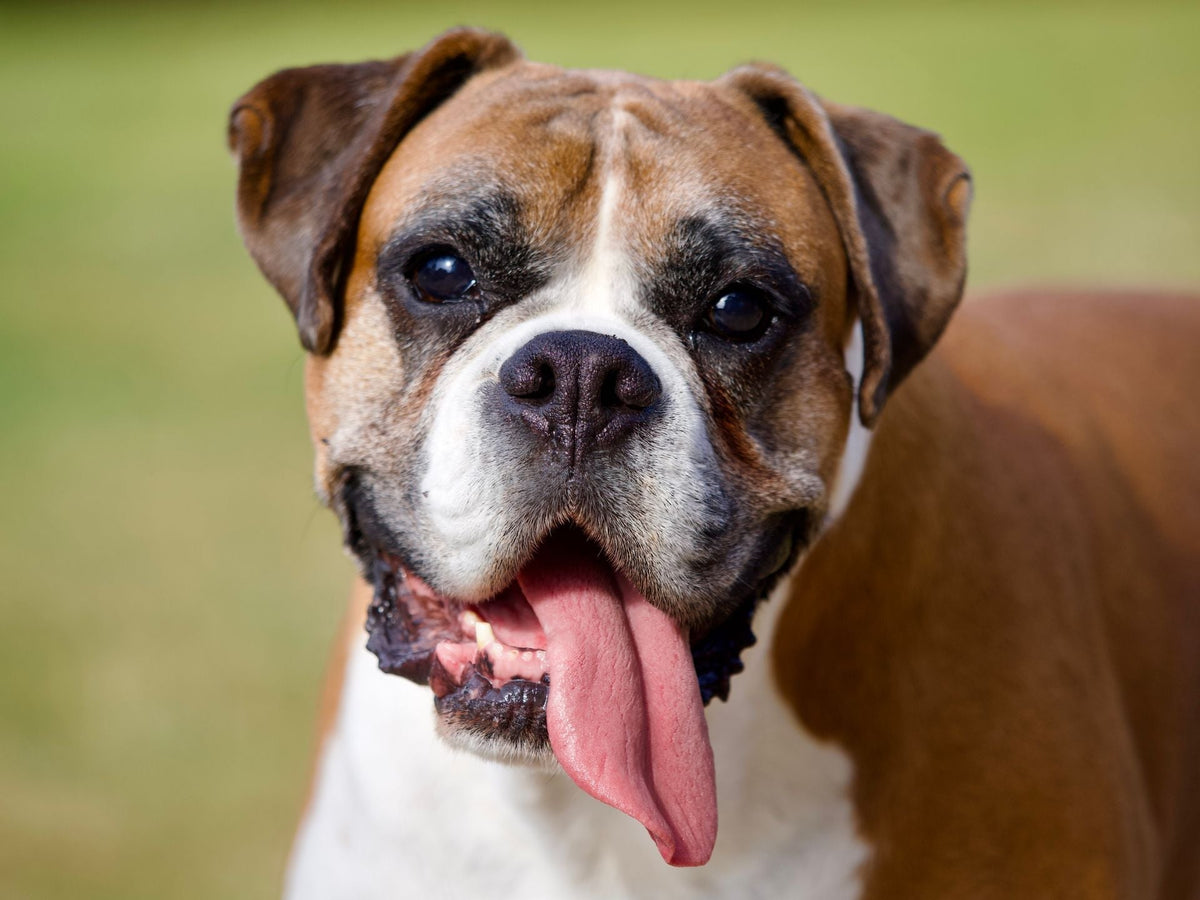
Dog Acne: Why Dogs Get Chin Pimples and How to Treat Them Safely
Dog acne is inflammation on the chin, lips, or muzzle that can show up as bumps, blackheads, pustules, or crusts, and mild cases often need only gentle care. Learn why dogs get chin pimples, whether food bowls play a role, a gentle chin-care routine, what to avoid, and when lesions need a vet.

Updated September 29, 2026 · 5 min read
Listen to this article
Read aloud in your browser. Product blocks and navigation are skipped.
In This Article
- Loading contents…
Dog acne is inflammation around the chin, lips, or muzzle that can appear as small bumps, blackheads, pustules, or crusts. Mild changes may need gentle care, while persistent, painful, swollen, or draining lesions should be examined by a veterinarian. Don't pop the bumps or use human acne products without veterinary direction.
Chin pimples are easy to overlook until your dog rests their face on your knee and leaves a little spot behind. The temptation is to clean harder or squeeze the obvious bump. A lighter touch is usually the better place to start.
Key Takeaways
- Canine acne starts in the hair follicles. It can appear as bumps, blackheads, pustules, or crusts on the chin, lips, or muzzle.
- Don't squeeze or pick. Popping bumps can worsen inflammation and hurt your dog.
- Clean gently. A soft damp cloth or a dog-safe wipe is enough for ordinary residue on comfortable skin.
- Bowls aren't always the cause. Replace rough or cracked bowls, but investigate bumps that keep coming back.
- Skip human acne products. Their active ingredients and strengths aren't made for dogs.
- Know when to call. Pus, pain, bleeding, or swelling need a vet; rapid facial swelling or trouble breathing is an emergency.
What canine acne can look like
Look at the skin under the chin and along the lips. You may notice a few red bumps, dark plugs, small pustules, or scabs. More substantial swelling, bleeding, and discomfort suggest the area needs prompt attention.
Not every bump on a dog's face is acne. A persistent lump, one-sided swelling, an ulcer, or lesions spreading beyond the usual area can have another cause. Take a clear photograph and let the vet decide whether the pattern fits.
| What you notice | A reasonable response |
|---|---|
| A small new bump with no obvious discomfort | Avoid squeezing; monitor and arrange advice if it persists |
| Several recurring chin bumps or crusts | Book an examination and review grooming and friction |
| Pus, pain, bleeding, or substantial swelling | Seek prompt veterinary care |
| Rapid facial swelling or breathing difficulty | Seek emergency care; don't assume acne |
Seek prompt veterinary care: pus, pain, bleeding, or substantial swelling.
Why dogs get chin pimples
Canine acne is an acne-like disorder of the hair follicles, often involving abnormal follicular keratinization that can lead to comedones, inflammation, folliculitis, and sometimes deeper furunculosis. Minor trauma to the chin or muzzle may contribute, and some dogs appear predisposed. Early lesions may not be infected, but secondary bacterial infection can develop. Early inflammation may not be infected, but secondary infection can develop. VCA's canine-acne explanation describes this process and why squeezing can make it worse.
At home, look for repeated contact rather than blaming a single meal. Does your dog rub the chin on rough toys, dig with their muzzle, or press their face into something abrasive? Does the area stay damp after drinking? These details may help you and your vet decide what to change.
Human teenage acne is not a reliable model for canine treatment. Don't assume your dog needs the same active ingredient, strength, or exfoliating routine that worked on your own skin.
Human teenage acne is not a reliable model for canine treatment.
Dr. Tatiana Rogers, DVMAre food bowls causing the problem?
Keeping bowls clean is sensible hygiene. Inspect them for cracks, chips, or rough edges and choose surfaces you can wash thoroughly. A worn bowl that rubs the chin is worth replacing.
But a plastic bowl isn't proof of the cause, and switching to stainless steel isn't a guaranteed cure. If bumps persist, investigate the skin rather than repeatedly replacing bowls.
Wash food residue from the bowl after meals and refresh drinking water. If several people feed your dog, agree on who cleans the dishes so it doesn't become a job everyone assumes someone else has done.
A gentle chin-care routine
Clean without scrubbing
For ordinary food or dirt on intact, comfortable skin, a soft damp cloth can be enough. Blot afterward, including around the lower lip. Avoid rubbing a rough towel across raised bumps.
So Fresh, So Clean Probiotic Wipes are another option for appropriate external cleanup. Keep them out of the mouth and eyes. Stop if the skin appears more irritated, and don't use routine wiping to work at an open or painful lesion.
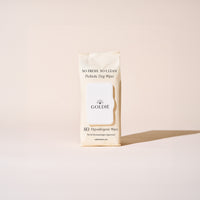
So Fresh, So Clean Probiotic Wipes
Removes dirt, allergens and irritants from paws, folds, and coat.
Reduce avoidable friction
Inspect the objects that repeatedly contact the chin. A rough bowl edge, worn toy, or poorly fitting item may be worth changing. Take a photo of anything you suspect and show the vet rather than assuming it explains every recurrence.
Leave bumps and scabs alone
Don't squeeze blackheads, pop pustules, or pick away crusts. The skin beneath can become more inflamed, and your dog may react suddenly if it hurts.
If a bump drains, contact your vet for care instructions. Avoid trying to empty it yourself.
Keep products purposeful
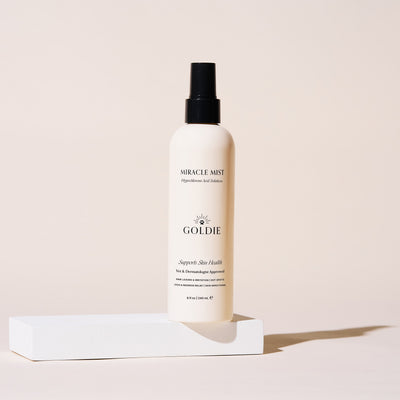
For a localized skin-care product, ask whether Goldie Miracle Mist fits the area and the current plan. Let your veterinarian know about anything already applied, including products marketed as natural or lick-safe.
The chin is easy for a dog to lick or rub. Follow product directions, allow drying when instructed, and ask how to protect the area if repeated rubbing is keeping it sore.
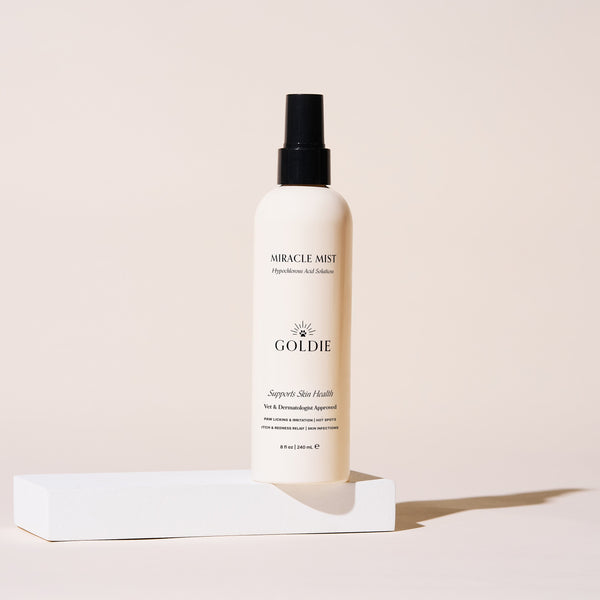
Miracle Mist
From $23.00
$51.00
- Gently cleanse irritated skin
- Help manage the skin environment
- Support a healthy skin microbiome
- Help reduce the conditions in which unwanted microbial overgrowth may occur
- Fit into a regular skin-care routine for itch-prone dogs
What veterinary treatment may involve
The vet will examine the distribution and type of lesions. Depending on the findings, they may look for bacteria, parasites, or another condition that resembles acne. A culture or biopsy may be appropriate for selected persistent or unusual lesions.
Treatment may include a veterinary-directed topical product, medication for confirmed infection, and changes that reduce irritation. Benzoyl peroxide is used in some canine-acne plans, but the exact formulation and instructions matter. Don't substitute a human acne wash or choose a strength on your own.
If infection extends deeper into the skin, treatment can be more involved. The Merck Veterinary Manual's pyoderma guide explains why depth and diagnostic findings influence the plan.
Ask what improvement should look like and when to return. A photo taken in the same light can help you track whether the number of bumps, swelling, and redness are changing.
When the chin problem may be part of something bigger
If your dog also has itchy feet, irritated folds, or recurrent ear problems, tell the vet. The chin may be the most visible area rather than the only affected one.
Itching in several areas and skin-fold dermatitis have their own care considerations. Persistent paw licking may also be worth mentioning when the face and feet flare together.
Don't diagnose a food allergy from a breakout alone. If a diet investigation is recommended, follow the plan carefully rather than eliminating ingredients at random.
What to avoid
Keep human acne creams, exfoliating acids, concentrated essential oils, peroxide, and harsh scrubs out of an improvised chin routine. Product names can sound familiar while the ingredients and concentrations are unsuitable for a dog.
Don't apply several things in succession to “cover everything.” If the skin improves or worsens, you won't know which change mattered. A simple record of what was used and when is more useful than an expanding shelf of products.
Also avoid cutting close to inflamed skin with household scissors. If hair needs to be managed for treatment, ask the clinic how it should be done safely.
Build a simple daily skin routine
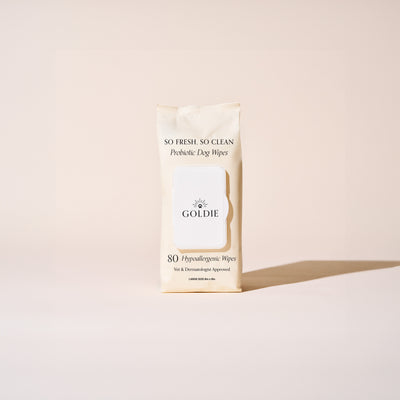
So Fresh, So Clean Probiotic Wipes
Removes dirt, allergens and irritants from paws, folds, and coat.
From $14.00
ShopKeep chin care calm and consistent
Clean the bowl, remove ordinary residue gently, and leave the pimples alone. Keep Goldie's wipes handy for appropriate cleanup and discuss Miracle Mist if targeted skin care belongs in your dog's plan.
If the chin stays sore, get it checked. Your dog should be able to rest their face on your knee without that simple moment hurting.
This guide is educational. Persistent, swollen, or painful chin lesions need veterinary assessment.Frequently Asked Questions
Can dogs get blackheads?
Should I pop a dog pimple?
Will dog acne go away on its own?
Does a dirty bowl cause every case?
Can I use my own benzoyl peroxide treatment?
Is acne contagious to other dogs?
Can I use Goldie wipes after meals?
What if the bumps keep returning?