

Dog Paw Yeast Infection: Signs, Causes, and How to Break the Cycle
Redness, constant licking, and greasy or scaly skin between the toes can point to a paw yeast infection, but a corn-chip smell or brown fur alone doesn't prove it. Learn what sets up recurring paw problems, how vets confirm the cause, a practical after-walk routine, and what to avoid while the feet are sore.

Updated September 29, 2026 · 7 min read
Listen to this article
Read aloud in your browser. Product blocks and navigation are skipped.
In This Article
- Loading contents…
A dog paw yeast infection may cause redness, persistent licking, greasy or scaly skin, and discomfort between the toes. Odor can be part of the picture, but a corn-chip smell or brown fur does not prove yeast is the cause. A veterinarian can examine the paws and test a skin sample to distinguish yeast from bacteria, parasites, allergy, or injury.
The frustrating part is the repetition. You clean the feet, your dog settles for a while, and then the chewing starts again. Breaking that cycle takes more than keeping the fur tidy. The uncomfortable skin and the reason it became uncomfortable both need attention.
Key Takeaways
- Smell and stains aren't proof. A corn-chip smell or brown fur doesn't confirm a paw yeast infection.
- Check all four paws. One suddenly painful foot and several itchy feet point to different problems.
- Moisture and licking keep the cycle going. Drying between the toes deserves a place in the routine.
- Allergies are a common driver. Ask about a structured plan instead of rotating foods.
- Cleaning and treatment have different jobs. A wipe removes dirt; it can't replace a prescribed antifungal.
- Know the urgent signs. Inability to bear weight, severe pain, or rapidly increasing swelling need urgent advice.
Start with the skin between the toes
Choose a moment when your dog is relaxed. Compare all four paws, including the pads, nails, tops of the feet, and toe webs. Part the fur gently without pulling the toes apart forcefully.
Look for redness, swelling, dampness, flakes, missing hair, or a discharge. Note whether your dog pulls away from one particular spot. A foot that is painful to handle needs a veterinary examination, not a more determined inspection at home.
| Observation | What to tell the clinic |
|---|---|
| Several paws are itchy | Whether ears, belly, or face are itchy too |
| One paw suddenly becomes painful | When it began, where your dog walked, and whether they are limping |
| Skin is greasy, red, or scaly | Which areas changed first and what has been applied |
| A swollen lump or draining spot is present | How quickly it appeared and whether walking hurts |
| Licking returns after treatment | Whether the skin fully improved and how long that lasted |
These observations help with an examination. They do not tell you which medicine to use. VCA's pododermatitis guide covers the range of conditions that can inflame a dog's feet.
Why a smell or stain isn't enough
Saliva can discolor pale fur. That stain records where a dog has been licking, but it doesn't identify the reason. A smell can draw your attention in the same way without confirming an infection.
The distinction matters because a sore toe, yeast-associated inflammation, and bacterial infection may require different care. Some problems occur together. Repeatedly treating the smell can leave the painful part unresolved.
Our guide to why dogs smell like Fritos is useful when odor is your first clue. If the bigger issue is licking throughout the day, start with why dogs keep licking their paws and note the timing before the appointment.
What can set up recurring paw problems?
Allergies can keep the skin inflamed
Environmental allergies may affect the feet along with other areas. Grass exposure, seasonal pollen, or indoor allergens can be worth discussing, but a flare after a walk doesn't establish which substance is responsible.
Food allergies also need a structured investigation. Ask whether a diet trial is appropriate rather than rotating proteins or buying a food advertised for “yeasty paws.” Cornell's atopic dermatitis guidance explains the wider allergy picture.
Moisture and repeated licking complicate care
Wet grass, muddy outings, and thick damp fur can make the toe spaces harder to keep dry. Licking adds more moisture and can damage irritated skin. Cleaning without drying may leave the area your dog is bothering just as damp as before.
That doesn't mean every wet paw will develop a yeast infection. It means drying deserves a place in the routine, especially when a dog already has uncomfortable feet.
Other medical problems can look similar
Foreign material, a damaged nail, mites, and bacterial infections can all enter the investigation. A single painful paw should not automatically be treated as another allergy flare. Your dog's medical history and medication list matter too. Interdigital furunculosis, a deeper bacterial infection around hair follicles, can also cause painful swelling, nodules, ulcers, or draining tracts between the toes and needs veterinary assessment.
Tell the veterinarian about previous skin disease, ongoing treatment, and changes elsewhere. A useful record is more specific than “the yeast came back”: describe what you actually saw and when.
How vets confirm what is happening
The veterinarian may perform skin cytology by collecting material from the affected paw with clear tape, a slide impression, or a superficial skin scraping and examining it under a microscope. The result is interpreted alongside the location and severity of the skin changes: yeast can occur on normal skin, but even relatively low numbers may matter when sampled from an inflamed, itchy toe web. Cytology can also identify bacteria and inflammatory cells, while other testing may be needed if mites, a foreign body, or another diagnosis is suspected.
Ask what the sample showed and what each part of the plan addresses. A diagnosis of inflammation is not automatically the same as a confirmed yeast infection. VCA's yeast dermatitis overview explains why clinical signs and testing are considered together.
If you have been cleaning frequently, ask whether to leave the paws untouched before the visit. Bring photos taken before products were applied and the exact names of those products.
Treatment and daily care have different jobs
Confirmed yeast-associated disease may require a prescribed topical antifungal, medicated wash, or oral treatment depending on the case. Underlying allergy management may be needed too. Follow the selected product's directions and the recheck plan rather than borrowing a schedule from another dog.
A grooming wipe can remove ordinary dirt. It cannot replace an antifungal chosen for a diagnosed infection. Likewise, an antifungal does not remove a grass awn or fix a broken nail.
Before leaving the clinic, make sure you know which paws need treatment, how much to apply, whether to rinse, and how long to prevent licking. Ask for a demonstration if the toe spaces are difficult to reach comfortably.
A grooming wipe can remove ordinary dirt. It cannot replace an antifungal chosen for a diagnosed infection.
Dr. Tatiana Rogers, DVMA practical after-walk routine
1. Look before you wipe
Check for new swelling, debris, or discomfort. Remove only loose material that comes away easily. Don't dig into a hole, squeeze a lump, or pull at something embedded in the skin.
If the feet are painful, ask the clinic how to handle them during treatment. A routine should not require a daily wrestling match.
2. Remove ordinary dirt gently
Goldie So Fresh, So Clean Probiotic Wipes can fit the everyday cleanup step on suitable, comfortable skin. Work gently around the pads and use a clean part of the wipe as you move between feet.
For packed mud, a fresh-water rinse may be more practical than repeated rubbing. Known chemical exposure needs advice specific to the substance; ordinary grooming instructions are not a decontamination plan.
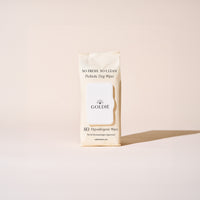
So Fresh, So Clean Probiotic Wipes
Removes dirt, allergens and irritants from paws, folds, and coat.
3. Dry the spaces you cleaned
Blot around and between the toes with a soft towel. Check beneath longer fur, where moisture can remain even when the top of the paw feels dry. Avoid hot airflow or vigorous rubbing on irritated skin.
If hair is matted, ask a professional how to manage it safely. Do not cut close to sore, partly hidden skin with household scissors.
4. Follow targeted treatment instructions
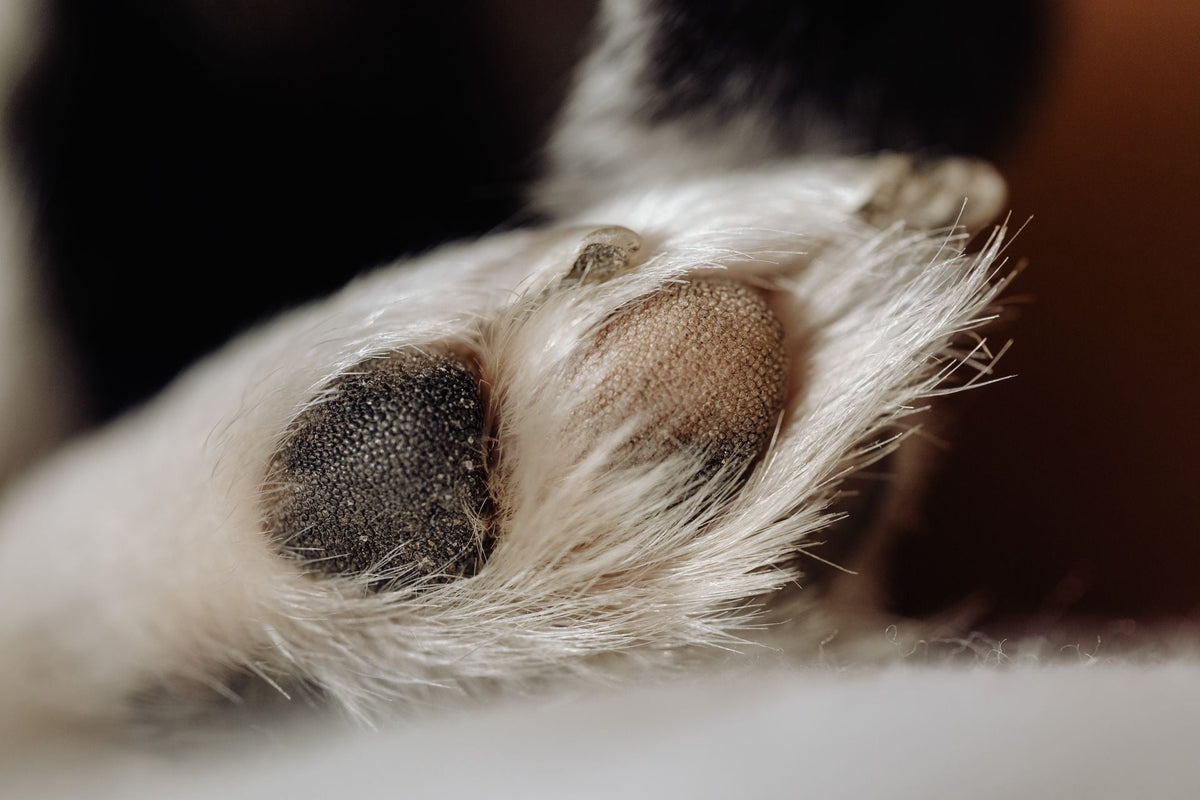
Apply prescribed treatment in the order advised. If you want to use Goldie Miracle Mist for a separate topical care step, ask whether it fits and when to apply it. Don't layer products over medication that is meant to remain on the skin.
For bath days, Healthy Coat Shampoo is a routine grooming option when appropriate. A prescribed antifungal shampoo has a different job and may have different contact-time instructions. Use the treatment your dog actually needs.
5. Prevent licking from undoing the care
Ask about a protective collar if licking is injuring the skin. Check that your dog cannot reach the foot while wearing it; some soft collars leave paws accessible.
Avoid leaving a damp sock on overnight or improvising a tight bandage. Give your dog a calm place to rest and watch comfort as well as appearance. If constant licking continues, let the clinic know.
What to skip when the feet are sore
Apple cider vinegar soaks, concentrated essential oils, and human antifungal creams are not a safe default. Inflamed skin may be sensitive, and dogs can lick applied products. Ask about the exact formulation rather than treating an ingredient name as approval.
Don't repeatedly soak the feet because the smell returns, and don't scrub brown staining out of the fur. The goal is comfortable skin, not a particular coat color.
Be cautious with claims that cutting out all grains or sugar will eliminate yeast. If food allergy is suspected, follow a complete veterinary diet plan. Avoid adding several supplements while also changing food and treatment; it makes the response harder to interpret.
Build a simple daily skin routine
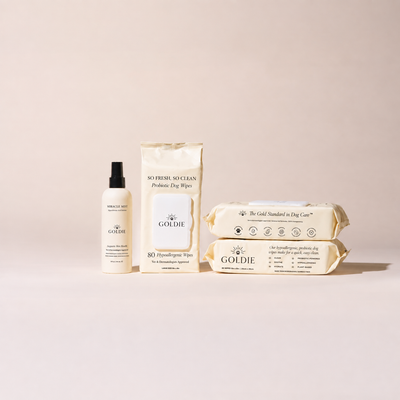
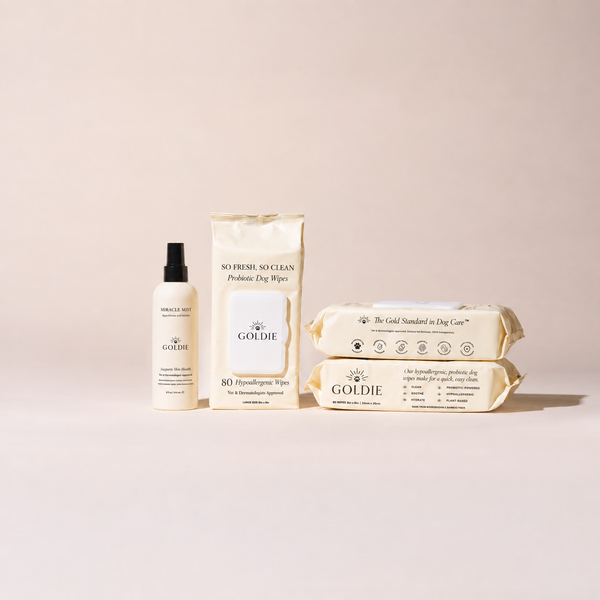
Paw Care Set
The Paw Care Set helps dogs who suffer from frequent paw irritation due to environmental allergies, yeast or...
$64.00
ShopWhen to call sooner
Inability to bear weight, severe pain, or rapidly increasing swelling needs urgent advice.
Seek prompt help for limping, a broken nail, swelling, discharge, open sores, or a paw your dog will not let you touch. Inability to bear weight, severe pain, or rapidly increasing swelling needs urgent advice.
Arrange reassessment when symptoms return after treatment or your dog keeps waking to chew the same foot. If ears or folds are flaring too, mention them. Our itchy-dog guide can help you describe symptoms beyond the paws.
Give the feet a routine you can repeat
Keep Goldie's wipes and a clean towel where walks end. Add targeted products only when they have a clear role, and keep the treatment instructions nearby.
Then pay attention to the dog attached to those feet. If your dog can settle comfortably and enjoy a walk again, you have useful progress to discuss at the recheck. If not, the plan needs another look.
This guide is educational and does not replace veterinary assessment of a painful or persistently irritated paw.Frequently Asked Questions
Does every dog with Frito-smelling feet have yeast?
Can just one paw have a yeast problem?
Will the brown fur turn white during treatment?
Are daily paw soaks necessary?
Can I use Goldie wipes instead of medicated wipes?
Should I stop walks until the paws heal?
Can diet changes prevent every recurrence?
How do I know the cycle is broken?