

Golden Retriever Ear Infections: Why They Keep Coming Back

Updated August 7, 2026 · 8 min read
Listen to this article
Read aloud in your browser. Product blocks and navigation are skipped.
In This Article
- Loading contents…
Golden Retrievers are one of the most lovable breeds on the planet. They're also one of the most ear-infection-prone. If you've been caught in the loop of treating your Golden's ears only to watch the symptoms return a few weeks later, you're not alone — and you haven't done anything wrong.
Here's what drives that cycle, and how to break it.
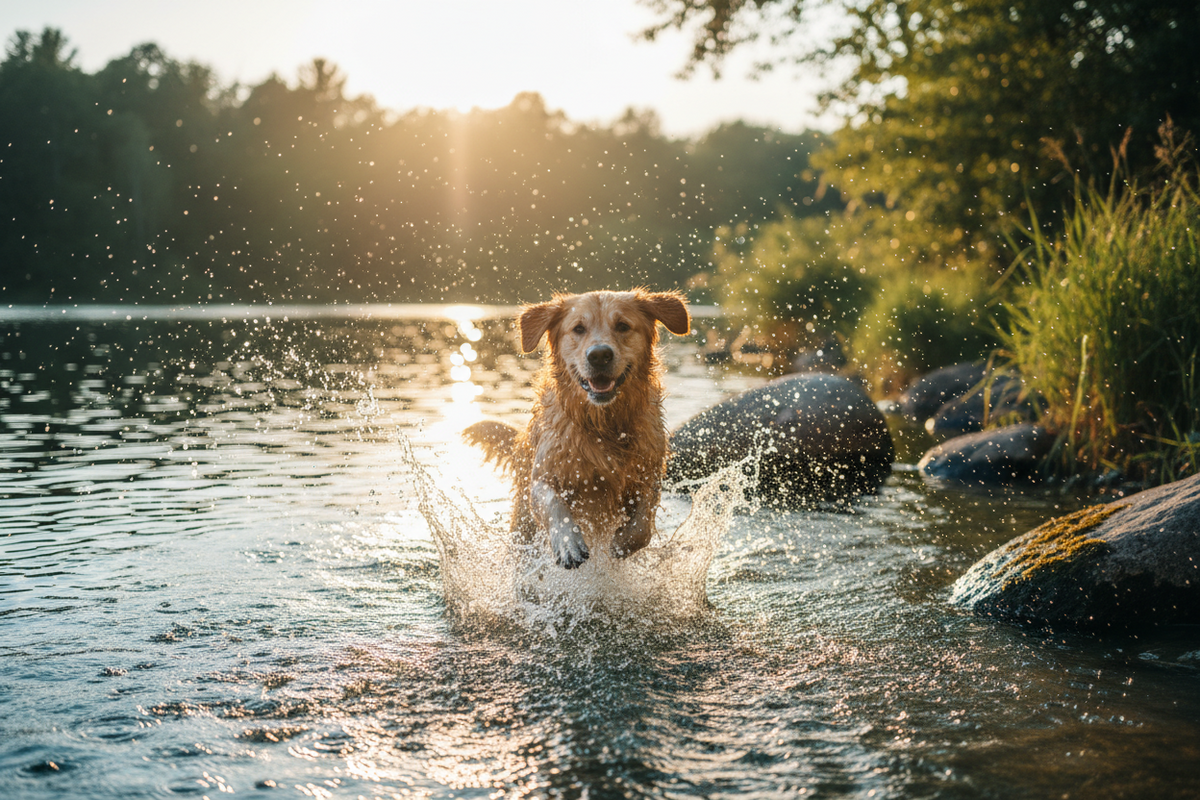
The short answer: Golden Retrievers are prone to recurring ear infections because of two compounding traits — heavy floppy ears that seal the canal off from airflow, and a love of swimming that keeps that sealed canal wet. Trapped moisture in their ears is the perfect environment for yeast and bacterial overgrowth, which is why the problem might return after each swimming adventure. The fix isn't more medication after the fact; it's making sure there is no moisture left before the symptoms appear.
Key Takeaways
- Anatomy plus lifestyle, not bad luck. A Golden's heavy ear flap seals the canal like a lid, and their love of swimming keeps that sealed canal wet. Trapped moisture lets bacteria and yeast overgrow, which is why ear problems return every swim season.
- Goldens are measurably higher-risk. Golden Retrievers are 2.23 times more prone to developing otitis externa compared with crossbred dogs, and floppy-eared breeds have 1.76 times the odds of erect-eared breeds, according to UK primary-care data.
- Check weekly, and lead with your nose. Early signs are head shaking, scratching, a musty or sweet odor, waxy discharge, and redness inside the canal. The odor is almost always the first sign.
- Recurrence usually has a reason. Chronic ear infections in Goldens are typically driven by a combination of ear anatomy, moisture buildup, and an underlying issue — most often allergies. Treating the infection without addressing the driver keeps the cycle running.
- The routine is 60 seconds. Towel-dry after every swim, then use a gentle, non-stinging ear rinse, such as a hypochlorous acid formula. Moisture is the one variable in the chain you fully control.
Why Golden Retrievers are so prone to ear infections
Dog ear infections account for roughly 7–16% of all veterinary visits, but certain breeds show up far more often than others. And the gap is significant.
In a UK study of 22,333 dogs sampled from primary veterinary care, the one-year prevalence of otitis externa — the clinical term for inflammation of the outer ear canal — was 7.30% across all dogs. Still, Golden Retrievers were 2.23 times more prone to developing an ear infection compared to crossbred dogs.
Golden’s ear flap acts as a lid, blocking airflow and preventing the ear canal from drying naturally. An upright ear essentially self-ventilates. A Golden's ear does not, but it certainly helps with the adorable look.
Ponds, pools, lakes, or even puddles are the most favorite thing on earth for Goldens. Dogs who swim regularly are more likely to develop otitis externa. Water enters the canal, the flap seals it in, and the lining softens, which lowers its resistance to the yeast and bacteria already present.
The fur around a Golden's ears is a dense, slow-drying coat that holds water long after the rest of the dog seems dry. Hair on the inner surface and around the canal opening blocks the little ventilation that remains, conserving humidity.
Put those together, and the exact environment — warm, dark, and damp — is created for microbes to multiply in. Yeast (Malassezia) and bacteria are normal residents of a healthy ear. They only become a problem when the conditions change in their favor, and a swimming Golden tips the scales.
Why ear infections in Goldens keep coming back
Recurring infections usually reflect three overlapping problems: trapped moisture, a disrupted ear microbiome, and an underlying condition such as allergies or skin disease. This situation cannot be prevented by medication alone because the moisture, inflammation, or underlying allergy are not addressed after treatment ends. Managing recurrence means addressing those drivers — not just treating the surface symptoms each time they appear.
The main reasons the cycle repeats:
-
Chronic dampness from floppy ears plus frequent swimming or bathing.
-
Incomplete treatment courses that leave a low-grade infection smoldering in the canal.
-
Environmental or food allergies are causing ongoing inflammation.
-
Over-cleaning. Clean your Golden’s ears twice a week, tops, during swimming season. Using cotton swabs can cause irritation and abrasions in the ear canal, disrupting normal ear flora and stripping protective oils.
That second point is the most common and the easiest to fix. Infections that seem to "come back" every few weeks are often never fully cleared. Bacteria and yeast survive deep within ear debris and biofilms, then flare again once treatment stops. Completing the full treatment — and returning for the recheck — matters more than owners realize.
Using the proper product for cleaning helps the long-term health of your Golden’s ears. Also, remember to be gentle when scrubbing and drying their ears.
Repeated inflammation can have long-lasting consequences; it might thicken the ear canal lining, narrowing the canal, and progressively replace healthy tissue with diseased tissue. Prevention isn't really about avoiding this week's discomfort — it's about protecting the canal your dog needs for the next decade.
Early signs of a Golden Retriever ear infection to catch each week
Checking your Golden's ears takes under a minute and should become a habit, especially in swimming season. Catching a problem at the odor stage means adjusting a routine. Catching it at the discharge-and-pain stage means a vet visit and medication.
The single most useful habit: smell your dog's ears once a week. Odor almost always arrives before visible inflammation.
Watch for:
-
Persistent head shaking or tilting that doesn't settle within an hour of swimming.
-
Pawing, scratching at the ears, or rubbing the head along furniture or your leg.
-
A musty, sweet, or corn-chip odor from the canal — a healthy ear has almost no smell.
-
Brown, yellow, or black waxy discharge.
-
Redness or swelling just inside the canal opening.
Subtler changes often come first. Your dog may become head shy — avoiding pats, flinching when the collar goes over his head, or turning away when you reach for the ear. A healthy ear has minimal wax and virtually no odor, so any shift from your dog's own baseline is a sign to be aware of.
Signs that require an immediate vet visit: visible pus or blood, obvious pain when the ear is touched, loss of balance, a constant head tilt, or rapid eye movements. These can indicate middle or inner ear involvement and need veterinary care right away.
Common underlying causes of chronic ear infections in Goldens
Recurring infections often indicate a root cause that hasn’t been properly addressed.
Allergies are the most common underlying issue. Environmental allergies to pollen, dust mites, and mold trigger chronic inflammation of the ear canal every spring and summer. Food allergies or sensitivities — commonly to proteins like chicken or beef — can cause year-round itchy skin and ear problems. If food is suspected as the problem, vets typically recommend a strict food trial for 8 to 12 weeks. Goldens are notably allergy-prone, and Malassezia overgrowth in dogs is strongly associated with allergic skin disease.
Hypothyroidism can increase the risk by impairing the skin barrier and slowing immune function. It's worth screening for in Goldens with frequent infections that don't respond well to standard treatment.
Foreign bodies — grass awns and foxtails, especially — can lodge deep in the canal and cause chronic irritation and infection. These often require a sedated ear exam to find and remove, and they're a classic cause of problems that affect a single ear.
Ear mites can also cause infections, though they're far more common in puppies than adults.
When to see your vet (and what they'll usually do)
If ear discomfort lasts longer than 24–48 hours, or if your dog seems in pain, off balance, or lethargic, book an appointment with your vet. Don't keep trying home remedies on an ear that is going to get worse.
A typical workup includes:
-
History — swimming habits, diet, previous medications, and how many episodes there have been.
-
Physical and otoscopic exam — looking deep into the canal and checking the eardrum.
-
Ear cytology — a smear viewed under a microscope to identify whether it's yeast, bacteria, or both.
That last step is why home guessing fails. Yeast and bacterial infections require different drugs, and treating the wrong one can waste weeks while the canal keeps inflaming.
Common treatment steps include professional deep cleaning, sometimes under light sedation, followed by medicated ear drops — usually a topical combining an antibiotic, an antifungal, and an anti-inflammatory. For severe swelling or pain, vets may add oral antibiotics or systemic steroids.
Rechecks help confirm the infection is actually gone before treatment stops. Vets typically recheck 7–14 days after starting drops. Skipping that appointment because the dog seems fine is one of the most common reasons chronic ear disease develops.
Breaking the cycle: the post-swim ear care routine
This is where prevention gets practical. If your Golden swims regularly or lives in a humid environment, the routine matters more than any single product.
The 60-second post-swim routine
1. Dry the ear. Towel around the ear flap and the feathering, then gently blot the visible canal opening with a cotton ball or soft cloth after every swim or bath. You're drying what you can see and reach — nothing should go down into the canal.
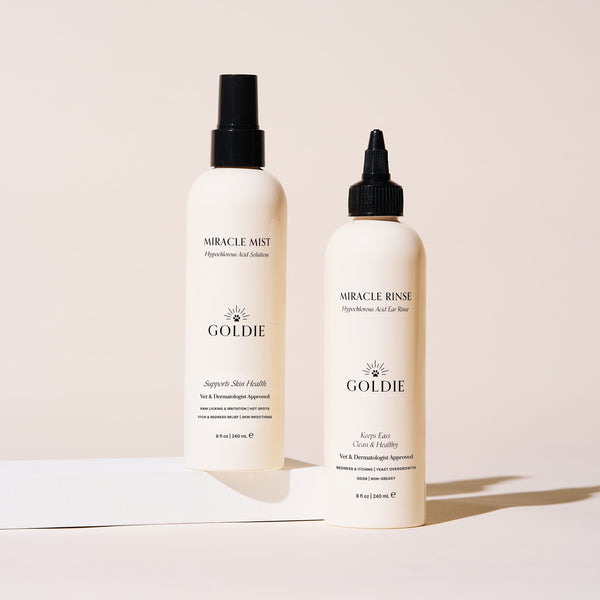
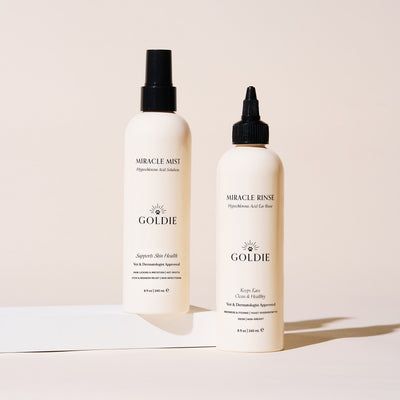
2. Apply an ear rinse. Goldie Miracle Rinse is an ear rinse approved by vets and dermatologists, formulated with hypochlorous acid, a clinically recognized broad-spectrum antimicrobial, and supports a balanced ear microbiome—non-stinging, non-greasy, and gentle enough for regular use.
3. Let him shake. Then wipe away any surface debris from the outer ear. Done.
Off-season: once every two weeks; during periods of no swimming—when heavy allergy season is in full swing or after lake weekends —once or twice a week is enough.
Mistakes to avoid
-
Never push cotton swabs down into the canal. You'll pack debris deeper, risking damage to the eardrum.
-
Don't use alcohol or hydrogen peroxide routinely. Both irritate the canal lining, strip protective barriers, and can worsen chronic ear disease.
-
Don't over-clean. A healthy, odor-free ear doesn't need daily intervention, and aggressive cleaning may cause irritation. Cornell's veterinary school recommends gentle, pH-balanced products and a simple technique over vigorous scrubbing.
-
Never clean an ear that's causing pain or where the eardrum may be ruptured. Flushing a compromised ear can cause serious damage. See your vet first.
You can't change your Golden's ear conformation, and you shouldn't want to change how much he loves the water. Moisture is the one variable in the chain you fully control — so control that one consistently, and the cycle has much less to work with.
Long-term prevention: allergies, grooming, and diet
Prevention extends past cleaning. The goal is a healthy ear environment maintained through skin health, allergy control, and nutrition.
Grooming for ear health
-
Trim the hair on the inner surface of the ear flap and around the canal opening. This improves ventilation and reduces humidity in the ear, and it's a standard recommendation for pendulous-eared breeds.
-
Brush the coat regularly to reduce the buildup of trapped debris, pollen, and foreign materials.
-
Schedule grooming during peak swim season, not just before it, to keep the area around the ears tidy when it matters.
Allergy management as prevention
Allergic inflammation is what makes an ear canal subject to overgrowth in the first place, so controlling it is the highest-leverage long-term move. Work with your vet or a veterinary dermatologist on allergy testing when problems persist. Seasonal or year-round allergy control through medication, immunotherapy, or a consistent topical skincare routine eases the inflammation driving the cycle. Early intervention matters — it's much easier to manage an infection before the canal has thickened.
Nutrition
A balanced diet with adequate essential fatty acids, particularly omega-3s, supports immune function and skin barrier health. If a food allergy is suspected, a carefully supervised elimination diet is the only reliable way to identify triggers — run it with your vet rather than switching foods repeatedly on your own, which muddies the result.
Keep a simple ear log.
Note flare-ups, swimming days, seasonal changes, and diet adjustments. Patterns emerge fast, and that record is genuinely useful to your vet — "worse every August, always the left ear" is diagnostic information that can help address the issue effectively.
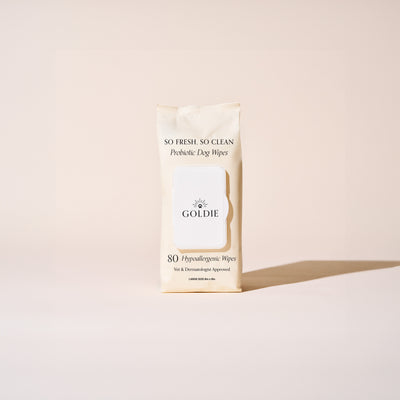
Build a simple daily skin routine
Frequently Asked Questions
How often should I clean my Golden Retriever's ears if they're prone to infections?
Do I need to stop my Golden from swimming to prevent ear infections?
What does a Golden Retriever ear infection smell like?
Can home remedies like vinegar or hydrogen peroxide fix chronic ear infections?
Why do my Golden's ear infections keep coming back after treatment?
At what age do Golden Retriever ear problems usually start?
Will my Golden's chronic ear infections ever go away completely?