

Cocker Spaniel Ear Care
Cocker Spaniels top the lists for ear infections due to heavy, sealed ear flaps, narrow canals, and an overproduction of wax. Discover why their ears are so vulnerable, how to spot early warning signs, and the weekly maintenance routine needed to protect them.

Updated August 10, 2026 · 9 min read
Listen to this article
Read aloud in your browser. Product blocks and navigation are skipped.
In This Article
- Loading contents…
Cocker Spaniel Ear Care: Protecting the Most Infection-Prone Ears in Dogdom
Cocker Spaniel ear problems are strongly associated with chronic, treatment-resistant ear infections because this breed combines extremely long, heavily feathered ear flaps that seal the canal, narrow ear canals, dense hair inside them, and a genetically higher density of wax-producing glands. Their ears need proactive weekly care, not reactive treatment.
Cocker Spaniels have some of the most beautiful ears in the dog world, but they also require a lot of care. In a Finnish study of nearly 99,000 veterinary records, 27% of American Cocker Spaniels had otitis externa, compared with a general population prevalence reported at 4.5%-13%. When Cocker owners were surveyed directly, 56% said their dog had suffered from ear infections. In a retrospective study of 80 dogs with severely damaged ears requiring surgical removal of the ear canal, 60% were Cocker Spaniels.
Other breeds might get ear infections, but for Cocker Spaniels, ear disease is more likely to become chronic and difficult to control.
Why Cocker Spaniel ears are so vulnerable
Cockers consistently top veterinary lists for ear infections, and it’s all a matter of biology.
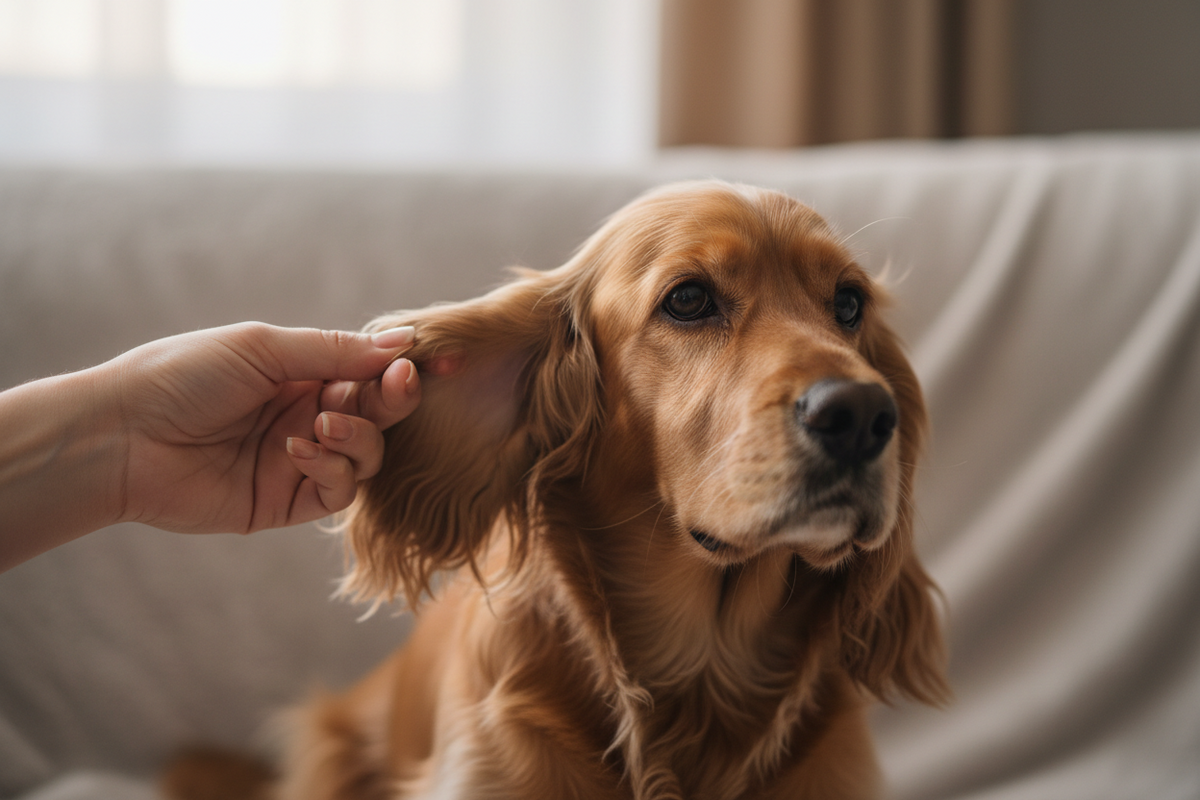
The flaps. Those long, heavy, densely feathered ears drop over the canal like a lid and drag through food bowls, water bowls, puddles, and wet grass. Reduced airflow is the core problem.
The canal. Cocker ear canals are relatively narrow. Even mild swelling or wax buildup can functionally close them, which makes debris hard to clear and topical medication hard to get where it needs to go.
The hair. Dense, fine hair around and inside the canal opening catches debris and blocks ventilation.
The glands. Cocker Spaniels, Springer Spaniels, and Black Labradors have a higher proportion of ceruminous glands in their ear canal skin, making them especially prone to those glands enlarging and dilating. The result is more wax and skin oil, allowing the yeast and bacteria already present in the humid, sealed canal to overgrow.
If you factor in the breed's documented predispositions to atopy (allergies), hypothyroidism, and seborrhea, you end up with an ear canal that resists self-cleaning and re-creates infection-friendly conditions on a loop.
Common signs of ear problems in Cocker Spaniels
Catching a Cocker's ear problem early is dramatically easier and cheaper than treating a chronic problem. Build a check into your week — ideally twice.
Visual signs:
-
Redness at the canal opening or on the underside of the flap.
-
Dark brown, yellow, or blackish discharge.
-
Crusting near the canal entrance.
-
A wet, greasy look under the flap.
Olfactory signs: A yeasty or "corn chip" smell often precedes any visible inflammation. Any new odor, however mild, is worth a closer look.
Behavioral signs: Head shaking, head tilting, pawing or scratching at one or both ears, rubbing the ear along furniture or carpet, and avoiding contact when you reach for the head.
Pain signs: Yelping or snapping when the flap is lifted, pulling away from collar placement, refusing grooming around the head.
Chronic-stage signs: Thickened, darker skin around the ear opening, visible narrowing of the canal, recurrent hematomas on the flap, or apparent hearing loss.
Call the vet if signs last more than 24–48 hours, worsen quickly, or are accompanied by loss of balance, a persistent head tilt, or unusual eye movements.
For itchy, smelly, or waxy ears.
Ear rinse that soothes and prevents itching, redness, and odor.
The Cocker Spaniel ear routine: daily, weekly, and after water
Most Cockers need a structured ear routine for life. In practice:
Daily (1–2 minutes). Lift each flap while your dog relaxes so air reaches the canal — even flipping the flaps back during a nap helps. Check for moisture and odor. After meals, after rain, or when drooling is heavy, clean the underside of the flap dry with a soft cloth. A snood or soft ear wrap during meals and wet-grass walks keeps those ears out of trouble in the first place.
Weekly. Set a predictable "ear day." Inspect both ears, keep the hair around the canal opening tidy, and clean with a gentle, non-stinging solution. Weekly is the baseline recommendation for healthy Cocker ears; some do fine with every other week checks.
After water, every time. Towel-dry the outer ear and the underside of the flap, hold the flaps up for a few minutes to encourage airflow, then rinse.
Oily, allergy-prone Cockers often need cleaning every 5–7 days. Stable ears may do better every 10–14 days. Over-cleaning irritates the canal and strips its natural defenses, so watch how your dog's ears actually respond and adjust. The mistake that creates chronic Cocker ears by middle age isn't cleaning wrong — it's stopping maintenance between infections.
Where Goldie can help
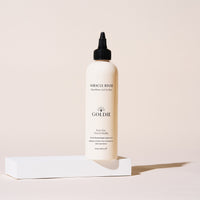
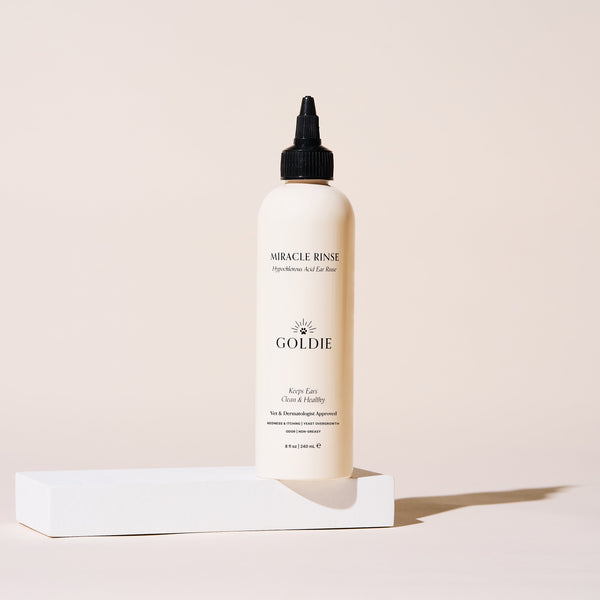
Miracle Rinse was built for exactly this purpose: to clean the narrow, hairy, oily, and permanently humid ear canals of your Cocker. It's a gentle hypochlorous acid (HOCl) ear rinse — the same class of compound used in clinical wound care — formulated to help flush wax and debris, manage the moisture that never fully leaves a sealed ear canal, and reduce the conditions where yeast and bacteria would thrive.
Two things make it perfect for this breed specifically. It's non-stinging, which matters enormously when the canal is already sensitive, and you need your dog to tolerate this routine every week for a decade. It's designed for regular maintenance rather than crisis-only use — for Cockers, consistency between care sessions is what keeps ears out of the chronic cycle. Ideally, clean them weekly, as well as after every swim and bath.
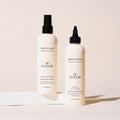
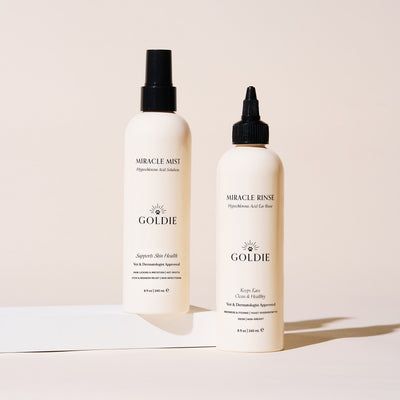
Because Cocker ear infections are often part of a whole-skin condition, many Cocker owners end up using Miracle Mist alongside it for the paws, folds, and itchy patches that flare at the same time. Both products were formulated by our dermatology PA-C co-founder and accredited by a Harvard-trained dermatologist and a board-certified veterinarian (meet the experts).
If your Cocker has a history of recurrent infections, have your vet confirm the eardrum is intact before you start any new rinse.
How to safely clean your Cocker Spaniel's ears at home
Technique matters. Done well, cleaning clears debris and helps break the reinfection cycle. Done badly, it pushes material deeper or might cause trauma.
Safety rules:
-
Never put a cotton swab down into the canal. In a narrow Cocker canal, especially, it packs wax deeper and might damage the eardrum.
-
Skip homemade mixes — alcohol, hydrogen peroxide, undiluted vinegar — on inflamed ears.
-
Stop immediately if your dog shows pain.
Cleaning Steps:
-
Hold the ear flap up gently.
-
Fill the canal with the solution until it pools at the opening.
-
Massage the base of the ear for 20–30 seconds. You'll hear a squishy, sloshing sound — that's the point.
-
Let your dog shake his head. That's how loosened material comes out.
-
Wrap cotton balls or soft gauze around your finger and wipe the canal opening and the underside of the flap. Only clean the depth you can see.
For dogs who hate it: break it into pieces across several days. Reward ear touches. Then give base-of-ear massages. Show the bottle. Then pour a few drops. Do short, calm sessions and give high-value treats. Tolerating ear care will be worth more to a Cocker's long-term well-being than any single product.
When not to clean at home: if you see thick pus, blood, obvious pain, or suspect a ruptured eardrum (sudden severe pain, odd eye movements, dramatic head tilt), schedule a visit to the vet immediately. Chronic infections can perforate the drum, and cleaning over a perforation can drive material into the middle ear.
Choosing an ear cleaner for Cocker ears
This is about maintenance and prevention — not the prescription drops your vet dispenses for an active infection.
|
Type |
Best for |
Key traits |
|---|---|---|
|
Gentle routine cleaners. |
Weekly wax and oil control. |
pH-appropriate, non-medicated, safe for ongoing use. |
|
Medicated cleaners. |
Recurrent yeast or bacterial flare-ups. |
Contain antifungal/antibacterial agents (e.g., chlorhexidine); vet-directed. |
|
Drying solutions. |
Post-swim, post-bath. |
Mild acids or drying agents to reduce trapped moisture. |
Supporting the skin microbiome
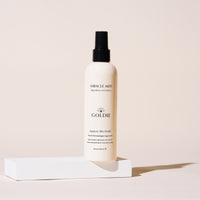
Goldie Miracle Mist is a gentle hypochlorous acid spray formulated to help regulate the skin microbiome and limit the conditions where yeast and bacteria overgrow.
Alcohol-heavy formulas are not recommended for this breed. Inflamed, narrow canals sting easily, alcohol over-dries and cracks the skin, and a dog who experienced the pain and discomfort will resist care next time — which might cost you far more in vet bills than any savings on the product.
Grooming and ventilation: hair, moisture, airflow
Haircut style and daily ear handling make a measurable difference in how often a Cocker's ears act up.
Safe hair management. Keep the hair on the underside of the flap and around the canal opening neatly trimmed by a groomer or vet. Avoid aggressive plucking from deep in the canal — full plucking irritates skin and opens follicles, and it might trigger the inflammation you were trying to prevent in the first place.
Grooming intervals. For most Cockers, every 4–8 weeks is recommended. Provide explicit instructions to their groomers: tidy the flap edges and canal-area hair, and don't shave to the skin.
Ventilation habits:
-
Flip the flaps back for a few minutes while your dog naps indoors.
-
Use a breathable snood for meals and wet-grass walks.
-
Never leave the ears wet under the flap after baths or rain.
For swimmers, rinse and dry after every session, and consider shortening swim time in peak heat and humidity. (Water-dog owners: the Golden Retriever ear guide covers the post-swim routine in more depth, and the Doodle guide covers hair-in-canal management.)
Allergies and skin health: the reason infections keep coming back
For many Cockers, recurring ear infections aren't really an ear problem. They're an allergy problem showing up in the ears first.
Allergy is the most common primary cause of otitis externa in dogs, and Cocker Spaniels have a documented predisposition to atopic diseases. Allergic inflammation makes the canal lining leaky, alters pH, ramps up wax production, and weakens local defenses — the perfect scenario for yeast and bacterial overgrowth, leading to the infection.
Two categories to consider:
-
Environmental: pollen, dust mites, molds — often seasonal at first, then year-round.
-
Food sensitivities: proteins such as chicken, beef, or dairy may cause chronic, non-seasonal inflammation.
Seborrhea and Malassezia dermatitis can appear alongside ear infections in this breed, too, because Cockers produce more skin oil across the whole body—not just in the canal.
What a workup involves: examination, tests, ear and skin cytology, possibly a strict 8–12 week food trial on a novel or hydrolyzed protein, and in persistent cases, referral to a board-certified veterinary dermatologist for allergy testing and immunotherapy.
If your Cocker has more than three to four ear infection episodes a year despite decent ear care, treat it as an allergy problem until proven otherwise, and ask for a long-term plan instead of another short course of drops. Controlling the underlying allergy reduces infection frequency more than any cleaning routine.
When home care isn't enough
Even with excellent prevention, many Cockers will need veterinary treatment at some point. Escalating early is what prevents permanent ear canal damage.
See the vet immediately for: intense pain when ears are touched, constant head tilt or balance problems, thick yellow or green discharge, visible swelling or narrowing of the canal, or no improvement after a few days of gentle home care.
What happens there: physical examination, otoscope inspection, and cytology — a swab under the microscope to determine whether you're dealing with yeast, bacteria, or both.
Professional flushing is often the turning point: a narrow, waxy Cocker canal hides debris that home cleaning genuinely cannot reach. Medication can't work on tissue it can't touch. Thorough flushing before treatment improves outcomes.
Standard treatment: medicated drops covering yeast and bacteria, sometimes oral medication, plus daily cleaning during the treatment window. Treatment often lasts at least two weeks — don't stop early because things look better on day five or the infection will return.
The end-stage picture, and why prevention isn't optional. Repeated, poorly controlled infections thicken and eventually calcify the ear canal. Middle-ear compromise is common. When medical management runs out, the option left is total ear canal ablation with bulla osteotomy — effective at resolving pain in almost every case. Still, it’s invasive, expensive, and results in permanent hearing loss.
Ask your vet for a long-term maintenance protocol rather than stopping all ear care once symptoms resolve, to avoid further risks.
$26.00
Miracle Rinse
American vs. English Cocker Spaniel: Does type change the routine?
Both share the core risks, with slight differences.
American Cockers typically have longer, lower-set, more heavily feathered ears with a denser coat that holds more moisture and debris. English Cockers tend toward slightly shorter flaps and less profuse feathering, so marginally better ventilation. Both types develop ceruminous gland changes and elevated oil production, so wax and yeast are still part of the equation.
Practically: the same routine works for both breeds. Weekly inspection, scheduled cleaning, careful trimming, proactive allergy management. Individual variation matters more than breed — some English Cockers have worse ears than some American Cockers, but the risks are the same.
Build the routine before you need it: Shop Miracle Rinse · Shop Miracle Mist.
This guide is educational and isn't a substitute for veterinary diagnosis. If your dog is in pain or symptoms aren't improving, see your veterinarian. Have your vet confirm the eardrum is intact before starting any new ear product in a dog with a history of infections.
Build a simple daily skin routine
Frequently Asked Questions
How often should Cocker Spaniel ears be cleaned?
Why does my Cocker Spaniel get ear infections after ear infections?
Should I trim the hair on my Cocker's ears?
Can changing my Cocker's diet really help?
Is it safe to use cotton swabs if I'm very careful?
My Cocker hates ear cleaning. What can I do?
When should I ask for a veterinary dermatologist?