

Dog Hot Spot Treatment: Signs and Safe First Steps
Hot spots are red, moist, painful patches that can spread within hours when a dog keeps licking or scratching. Learn how to spot one, what causes it, and the safe first steps at home — stop the licking, clean gently, keep it dry. Plus when to call your vet, how to prevent flare-ups, and where hypochlorous acid fits in.

Updated September 8, 2026 · 6 min read
Listen to this article
Read aloud in your browser. Product blocks and navigation are skipped.
In This Article
- Loading contents…
The first step in dog hot spot treatment is to stop your dog from licking or scratching the irritated skin, gently clean the area with a mild, dog-safe product, keep it dry, and watch closely for changes. A dog hot spot usually looks like a red, moist, painful patch of skin with hair loss or matted fur around it. It may ooze, smell unpleasant, or become crusty—and it can spread quickly when a dog continues licking, chewing, or scratching.
Canine hot spots are also called acute moist dermatitis or pyotraumatic dermatitis. If you've noticed or suspect your dog has one, this guide walks through the signs, common causes, safe first steps at home, when to call your veterinarian, how to help prevent hot spots from coming back, and where products such as hypochlorous acid may fit in. Although a small, newly developing lesion may be suitable for cautious first aid, painful, spreading, recurrent, or infected-looking skin needs veterinary care.
What does a hot spot look like on a dog?
A hot spot is typically a clearly defined patch of inflamed skin. Common symptoms include:
-
Red or raw-looking skin
-
Moisture, oozing, or discharge
-
Matted fur around the lesion
-
Localized hair loss
-
Crusting at the edges
-
Heat or swelling
-
An unusual odor
-
Repeated licking, chewing, or scratching
-
Pain when the area is touched
-
Noticeable enlargement over several hours
Hot spots often occur on the head, neck, hips, legs, or near the base of the tail. Dense fur can conceal the affected skin so that the first sign may be damp, matted hair or unusually focused licking. These lesions can develop rapidly as continued scratching and licking further damage the skin.
Is it definitely a hot spot?
Appearance alone cannot confirm a hot spot. Ringworm, insect reactions, wounds, contact irritation, bacterial infection, deeper skin infection, and other skin problems can look similar.
A small, recent, superficial red patch may be an early hot spot or minor irritation. Moist skin that is expanding, an open wound, significant swelling, pus, or circular scaling and hair loss should be examined by a veterinarian. Do not rely on odor or appearance to determine which organisms are present or whether antibiotics are needed.
What causes hot spots on dogs?
Hot spots generally begin with something that makes a dog lick, scratch, or chew one area. This self-trauma damages the skin, increases inflammation, and creates an itch–lick cycle that can make the lesion grow.
Common triggers include environmental or food allergies, flea bites, flea allergy dermatitis, mites and other parasites, ear infections, insect bites, anal-gland discomfort, contact irritants, minor wounds, foreign objects, pain, matted fur, and repetitive licking associated with stress or boredom.
Moisture is another important risk. Swimming, bathing, rain, dense undercoats, and matted fur can keep the skin damp and reduce airflow. Golden Retrievers, German Shepherds, Newfoundlands, Saint Bernards, Rottweilers, and other certain breeds with a thick, double, or long coat may be more susceptible, especially during warm or humid weather.
Preventing recurring hot spots requires more than treating the visible skin. The original cause of the itching or discomfort must also be identified and managed.
Can you treat a dog hot spot at home?
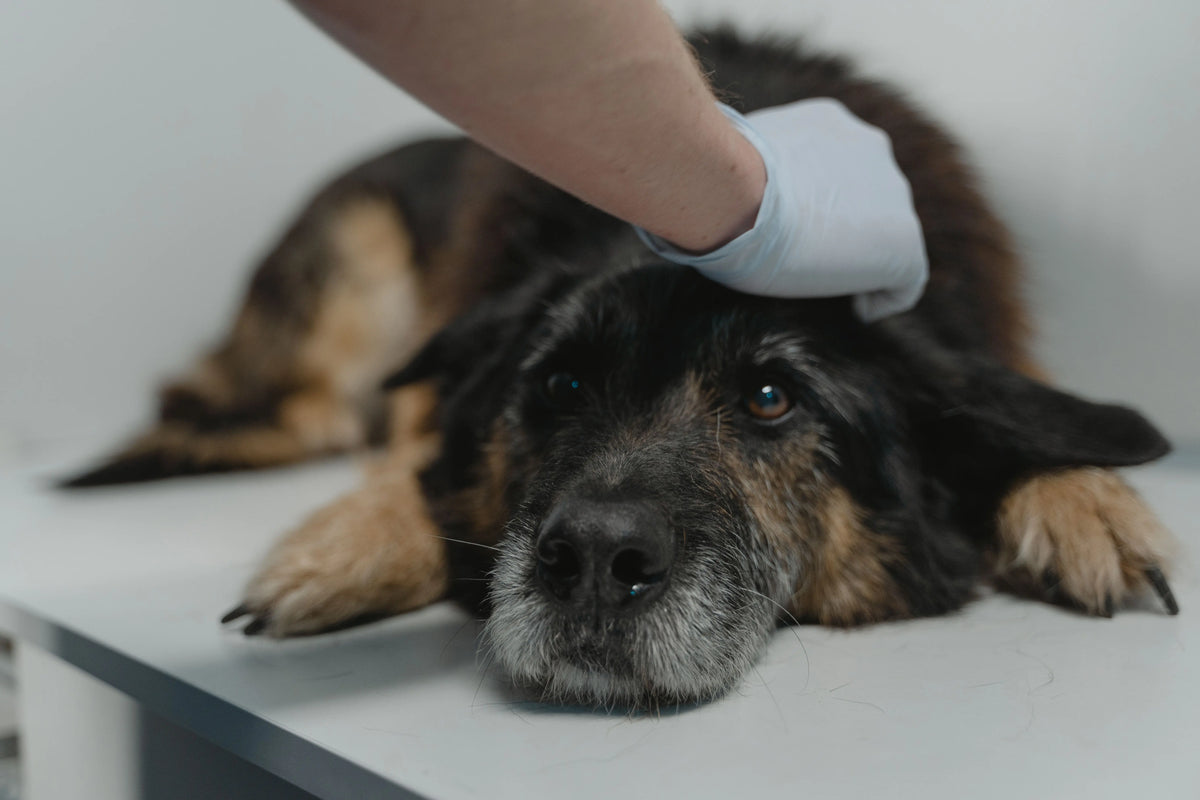
A small, very recent dog hot spot that appears superficial in an otherwise comfortable and healthy dog may be suitable for cautious first aid. However, some owners ask about home remedies, and home treatment is appropriate only for a small, superficial lesion. At-home hot spot treatment is not appropriate when the lesion is painful, extensive, rapidly spreading, recurrent, or showing signs of deeper infection.
Contact your veterinarian immediately when the area is growing quickly; the skin is bleeding, ulcerated, swollen, or producing pus; your dog is in significant pain; the lesion is near an eye or inside the ear; or your dog develops lethargy, fever, appetite loss, or another behavior change.
If you're unsure, send your veterinarian a clear photograph and ask whether an examination is necessary. Similar-looking lesions may be hot spots, a deep skin infection, or other skin conditions that need different treatments.
What should you do when you find a possible hot spot?
1. Stop the licking and scratching
Continued self-trauma, including excessive licking, makes inflammation worse and delays recovery. Use a properly fitted Elizabethan collar (recovery cone) or another veterinarian-approved barrier that prevents your pet from accessing the lesion. If boredom contributes, use interactive toys to redirect the dog's attention and reduce licking. Avoid tight wraps or coverings that trap heat and moisture against the skin.
2. Examine the affected area carefully
Part the fur and check the lesion's size, location, moisture, discharge, odor, swelling, depth, and your dog's pain response, since hot spots can occur anywhere on your dog's body. Take a photograph with a size reference so you can determine whether it is expanding. Stop if your dog becomes distressed or may bite, as excessive biting can worsen the lesion and make home assessment unsafe.
3. Expose the skin safely
Long or matted hair can hold moisture against the lesion, so clipping hair around it helps it dry and promotes faster healing. A veterinarian may clip hair around the affected area so the skin can be assessed, cleaned, and kept dry. Do not use scissors next to painful, moving, or inflamed skin because you could accidentally cut it. If your dog resists or the fur is tightly matted, leave clipping to a professional, since trapped or surrounding hair can keep moisture trapped against the area.
4. Gently clean the external skin
Use a mild product specifically labeled for dogs and follow its directions. Avoid scrubbing. Do not improvise with alcohol, hydrogen peroxide, essential oils, fragranced human products, or leftover medication. Human topical treatments may irritate damaged skin or be unsafe when licked.
5. Keep the area dry and monitor it
Check the area regularly for changes in size, moisture, odor, swelling, redness, and discomfort. Record what you applied and when. A lesion that worsens, remains painful, or fails to improve needs veterinary attention. A veterinarian may need to clip and clean the area, perform diagnostic tests, and prescribe topical treatment or oral antibiotics. The right diagnosis supports healing by confirming whether this is a true hot spot or another problem, and whether an underlying issue is driving recurrence.
Where does hypochlorous acid fit?
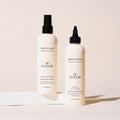
Hypochlorous acid, commonly abbreviated as HOCl, is used in topical skin-care formulations. Goldie Miracle Mist contains water, sodium chloride, and 0.02% hypochlorous acid and is labeled for external skin support.
Miracle Mist may be incorporated into an appropriate routine to gently cleanse irritated external skin and help manage the skin environment. Apply it only as directed by the product instructions. It does not diagnose the cause of a lesion, replace veterinary treatment, or guarantee that a hot spot will resolve.
Dr. Tatiana Rogers, DVM, notes that "chronic allergies and hot spots are among the most common things I treat." Her published guidance recommends responding when irritation first appears rather than waiting for a severe flare.
Shop Miracle Mist for gentle external skin care
When does a hot spot require veterinary care or oral antibiotics?
Call your veterinarian if the lesion is enlarging rapidly, deeply ulcerated, punctured, bleeding, producing pus, or causing significant pain, since it may be infected with bacteria or may not be a simple superficial lesion. Veterinary care is also important when the lesion is near an eye or in the ear canal, your dog is unwell, you cannot safely clean the area, the problem is not improving, or hot spots repeatedly return.
Veterinary medicine may include topical antiseptics, pain medications, oral antibiotics, allergy medication, or other treatment depending on the diagnosis and the underlying cause.
How can you prevent recurring hot spots?
-
Keep your dog current on veterinarian-recommended flea and parasite prevention, since most cases can be reduced by controlling the trigger and keeping the skin environment dry.
-
Manage diagnosed allergies consistently to help prevent hot spots.
-
If your dog swims, rinse the coat as needed and dry it completely after swimming, rain, and baths so excess moisture doesn't remain.
-
Brush dense coats regularly and remove mats safely to keep the coat clean and dry, which creates a less ideal environment for skin irritation and infection.
-
Check your dog's ears daily for signs of infection, especially if skin problems keep coming back.
-
Inspect the skin and ears after water activities.
-
Respond early to repeated licking or scratching by addressing the underlying cause, not just the sore itself.
-
Use dog-specific grooming and skin-care products.
-
Ask your veterinarian about recurring ear, skin, or anal-gland problems.
-
Track when and where lesions appear to identify seasonal patterns.
If itching occurs in several areas or keeps returning, read Goldie's guide to why dogs become itchy.
Frequently Asked Questions
Can a dog hot spot heal on its own?
Are dog hot spots contagious?
Should you cover a dog's hot spot?
Can you use human hot-spot products on a dog?
How quickly can a hot spot spread?