

Is It Safe If My Dog Licks It? A Guide to Lick-Safe Skin Products
A lick-safe claim only covers normal topical use, so what really matters is the exact formula, how the product is meant to be used, and how much your dog could swallow. Learn what lick-safe actually tells you, how to choose skin products, which remedies to avoid, and what to do if your dog has already licked a product.

Updated September 29, 2026 · 6 min read
Listen to this article
Read aloud in your browser. Product blocks and navigation are skipped.

In This Article
- Loading contents…
A skin product is only as safe as its exact formula, intended use, and amount of exposure. A “lick-safe” claim should be read in the context of normal topical use, not as permission for a dog to drink the bottle or chew the container. Check the directions, allow the product to work as instructed, and get advice if your dog swallows an unknown or substantial amount.
The question usually comes up a few seconds after application. You put something on a paw, turn to close the cap, and your dog is already checking your work with their tongue.
Choosing thoughtfully before that moment is easier than trying to identify an ingredient list afterward.
Key Takeaways
- Lick-safe isn't edible. The claim covers normal topical use, not a dog drinking the bottle or chewing the container.
- Read the whole label. Check where to apply it, whether to rinse, and whether licking should be prevented while it dries.
- Match the product to the task. A skin spray, ear rinse, shampoo, and paw balm aren't interchangeable.
- Skip risky shortcuts. Human creams, concentrated essential oils, and kitchen remedies need veterinary direction.
- Persistent problems need a vet. Itching, redness, odor, swelling, or repeated licking won't be solved by changing products.
- If your dog swallows something, act. Keep the container and call your vet or an animal poison service.
What does “lick-safe” actually tell you?
It tells you what the manufacturer is claiming about that product. It does not tell you that every amount, every use, or every dog has been studied. Read the rest of the label for where to apply it, whether to rinse it away, and whether licking should be prevented while it dries.
Two questions belong together:
- Is incidental licking expected to be safe when I use this product as directed?
- Will licking remove the product or keep damaging the skin I'm trying to care for?
A reassuring answer to the first doesn't solve the second. Your dog may still need help leaving a sore paw alone.
How to choose lick-safe dog skin products
1. Check the exact product and intended area
Look for directions that cover dogs and the body area you want to treat. A skin spray, ear rinse, shampoo, and paw balm aren't interchangeable. “For external use” doesn't mean it belongs inside the mouth, ear canal, or eye.
Keep the original packaging. Decanting several products into identical bottles makes mistakes more likely and removes the information a vet would need after an exposure.
2. Read the full ingredient list
Don't judge a formula from one featured ingredient. The concentration, other ingredients, and finished formulation matter. A dog-specific product containing a botanical ingredient is different from applying concentrated essential oil from a household bottle.
“Natural,” “clean,” and “chemical-free” are not substitutes for use instructions. Water is a chemical too; the useful issue is whether the formulation suits the job and the dog.
The same goes for “non-toxic.” Ask what exposure that description covers. Paw balms may feature beeswax, vitamin E, or botanical extracts, but those names alone don't establish the safety of the finished formula. Products marketed for sensitive skin can still cause irritation or allergic reactions in an individual dog. Read labels rather than relying on the front-of-pack promise.
3. Check rinse-off versus leave-on directions
A shampoo should be rinsed away when its directions say to rinse. A leave-on spray may need time to dry. Applying more or leaving a rinse-off product on longer doesn't make it work better.
If your dog has prescribed topical medication, ask before adding another product to the same area. Your vet may want a particular order, interval, or no additional products at all.
4. Look at the skin you're applying it to
Mild, superficial dryness, a deep wound, a swollen toe, and a spreading rash are different situations. Persistent itching, redness, odor, hair loss, swelling, pain, discharge, or repeated licking needs veterinary assessment rather than repeated product changes. A lick-safe claim does not establish that a product is the right treatment for any of these problems.
If your dog has persistent paw licking or itching elsewhere, finding the cause comes first. Repeatedly changing topical products can obscure whether the skin is actually improving.
A lick-safe claim does not establish that a product is the right treatment for any of these problems.
Dr. Tatiana Rogers, DVMCommon product types and what to ask
| Product type | Its possible role | What to check |
|---|---|---|
| Dog skin spray | Targeted topical care | Exact formula, approved areas, directions, and whether licking should be prevented |
| Paw balm | Surface care for an appropriate paw-pad concern | Ingredients, amount, and whether the problem is dryness rather than infection or injury |
| Dog shampoo | Bath-time cleansing | Contact time, thorough rinsing, and suitability for the skin condition |
| Grooming wipe | Removing ordinary dirt from labeled areas | Eye and ear restrictions; safe disposal so the wipe isn't swallowed |
| Human medicated cream | Treatment intended for a person | Don't apply to a dog without veterinary direction |
| Concentrated essential oil | Not an improvised dog skin treatment | Keep away from topical or oral use unless specifically directed by a veterinarian |
How Goldie products fit the decision
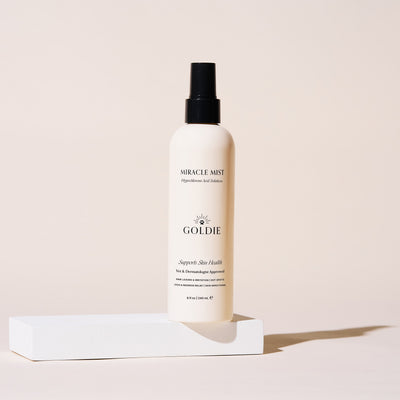
Miracle Mist for targeted skin care
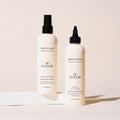
Goldie Miracle Mist contains water, sodium chloride, and 0.02% hypochlorous acid. Goldie describes it as lick-safe, while its directions still advise letting it dry and using a barrier to prevent licking or scratching.
Those instructions belong together. Apply it for the appropriate topical purpose and give it time on the skin. Don't treat the claim as a reason to ignore repeated licking, and don't use it as a substitute for care of an infected or painful wound.
Wipes for the cleanup step
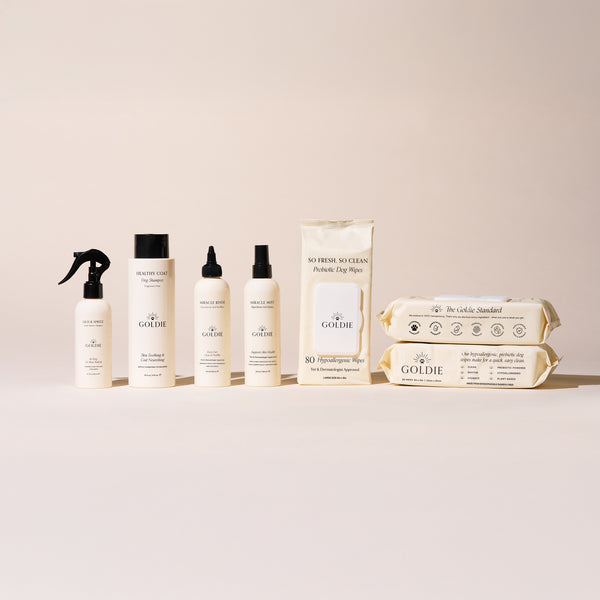
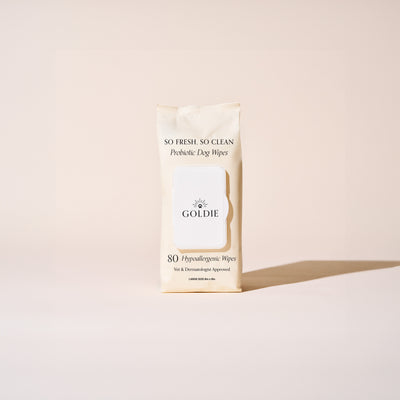
So Fresh, So Clean Probiotic Wipes are an option for everyday paw and coat cleanup. Remove ordinary dirt gently, then dispose of the used wipe where your dog can't retrieve it. The wipe material is not something to eat, regardless of how a topical formula is described.
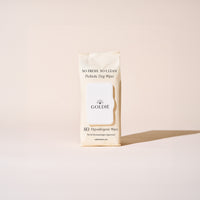
So Fresh, So Clean Probiotic Wipes
Removes dirt, allergens and irritants from paws, folds, and coat.
Healthy Coat for bath time
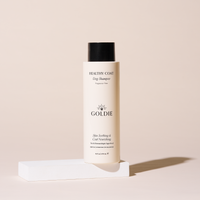
Healthy Coat Shampoo belongs in a rinse-off routine. Follow its directions and rinse thoroughly. A dog-specific shampoo is still a shampoo, not a leave-on paw treatment or something to let your dog lick from the tub.
Choose the product by the task. You don't need to put a spray, wipe, balm, and shampoo on the same patch to be thorough.
Human creams deserve extra care
Don't assume a cream is harmless because it is sold over the counter, used on a baby, or applied to your own skin. Medicated products can contain ingredients that are unsuitable for a dog, especially when repeatedly licked.
One particularly serious example is fluorouracil, also called 5-FU. The FDA warns that pets can become severely ill or die after even small exposures, including licking treated human skin or chewing a tube. Suspected exposure requires an immediate veterinary call; don't wait for symptoms. Read the FDA's pet-safety advice.
Keep your own topical medicines away from pets, including discarded tubes and used applicators. Ask your healthcare professional how to prevent contact with treated skin. “It has dried” isn't a universal assurance that a medicated area is safe to lick.
Essential oils and kitchen remedies aren't shortcuts
Concentrated tea tree oil can poison dogs through skin exposure or ingestion. Pet Poison Helpline distinguishes concentrated oil from formulated products used according to their labels. That is why a do-it-yourself dilution isn't a sensible substitute for choosing an appropriate dog product.
The same decision process applies to coconut oil, vinegar, and other household suggestions. What condition are you addressing? Is the skin intact? What happens if your dog licks it? Is there a better-supported treatment for the actual problem?
If you can't answer those questions, pause before applying it. A pantry ingredient doesn't become the right skin-care choice just because it is familiar.
What to do if your dog already licked something
Stop further access and keep the container. Note the product name, ingredients, approximate amount, time, and your dog's size. Contact your veterinarian or an animal poison service if the product is unknown, potentially toxic, or more than incidental residue was swallowed.
Don't induce vomiting or give a home antidote unless a veterinary professional tells you to. Drooling, vomiting, weakness, tremors, trouble breathing, or unusual behavior require prompt help. With a known dangerous exposure, don't wait for those signs.
Drooling, vomiting, weakness, tremors, trouble breathing, or unusual behavior require prompt help. With a known dangerous exposure, don’t wait for those signs.
For a small lick of a dog product used correctly, follow the label and seek advice if you are unsure. Avoid repeatedly reapplying it to replace every lick; that changes the amount used without solving the licking.
Build a simple daily skin routine
So Fresh, So Clean Probiotic Wipes
Removes dirt, allergens and irritants from paws, folds, and coat.
From $14.00
Shop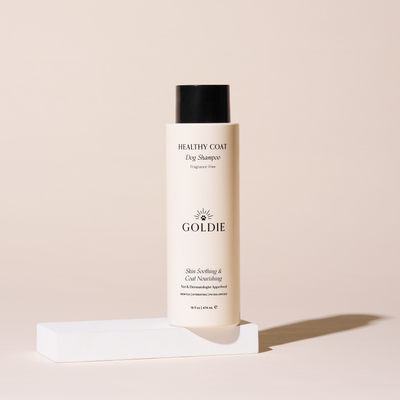
A label you understand is part of good care
Start with a clear job: clean the paws, wash the coat, or care for a localized skin concern. Choose the appropriate Goldie product, follow its directions, and keep it out of reach afterward.
Your dog will probably still try to help. A simple routine, clear instructions, and a little supervision make that moment much easier to handle.
For suspected poisoning, contact your veterinarian or an animal poison service promptly. This guide cannot determine the safety of an individual exposure.Frequently Asked Questions
Does lick-safe mean edible?
Do I still need a cone with a lick-safe spray?
Can I put human lotion on dry dog skin?
Are all hypochlorous acid products interchangeable?
Is a fragrance-free product guaranteed not to irritate?
What if my dog chews up a wipe?
Can I put bitter spray on a raw paw?
When should I call about a lick?